
You can read this blog post in English here
Australia, chapter 6: Yarns by the campfire
[to see the photos of this blog, please go to the Finnish version]
We sit under the starlight, in front of a blazing campfire that warms the hems of my skirt. Further away, a male duo plays cover songs, accompanied by the chatter of voices and the occasional dancer who has strayed onto the grassy field. Leeks, strung on wire, sizzle over the flames, and tomato sauce bubbles at the edge of the fire in an almost hypnotic way.
A voice beside me breaks the silence: “So what is your aim, what are you trying to achieve with your research? Is it the politics you wish to influence?” asks the farmer standing next to me.
[images]
In a moment lasting no longer than a few seconds, I feel the warmth of the fire on my face, contemplate whether my answer would be disappointing, and realize that this question, in this moment, is a gift that will profoundly affect my research journey.
“I have lost faith in politics,” I reply, “so no, I am not doing this work because I believe that politicians would make decisions leading to radical, or even any significant changes needed for healing the lands and their people. I am doing this research for two main reasons, which are intimately entwined.”
***
During my doctoral defence party, Karonkka, one of my PhD supervisors said in his speech: “Galina has a unique ability to think by speaking.” I couldn’t have put it in those words myself, but since then, I’ve thought about this skill a lot. It’s true; asking me for the reasons behind my research, the farmer got me to articulate what academic researchers often don’t have to explain, although I believe this kind of reflection would be essential among researcher.
***
So why am I conducting research on diverse ecological small-scale farming, and why in this particular way? What do I aim to achieve with my work?
[Images]
“First of all, I want to make visible the kind of work that you guys are doing here on the farms and all the caring work for these lands and the surrounding communities,” I explain. “One fundamental aspect driving my work is making visible the diverse farming practices that you guys apply, develop and engage in.”
In my experience, agriculture is often portrayed through the lens of conventional farming or industrial-scale livestock production. Rural landscapes are often seen as vast fields where the same crop grows extending for hectares or where large livestock barns stand. Yet, there are many farmers, gardeners, and land stewards who produce food in ways different from what agricultural policy directs them to and what markets promote.
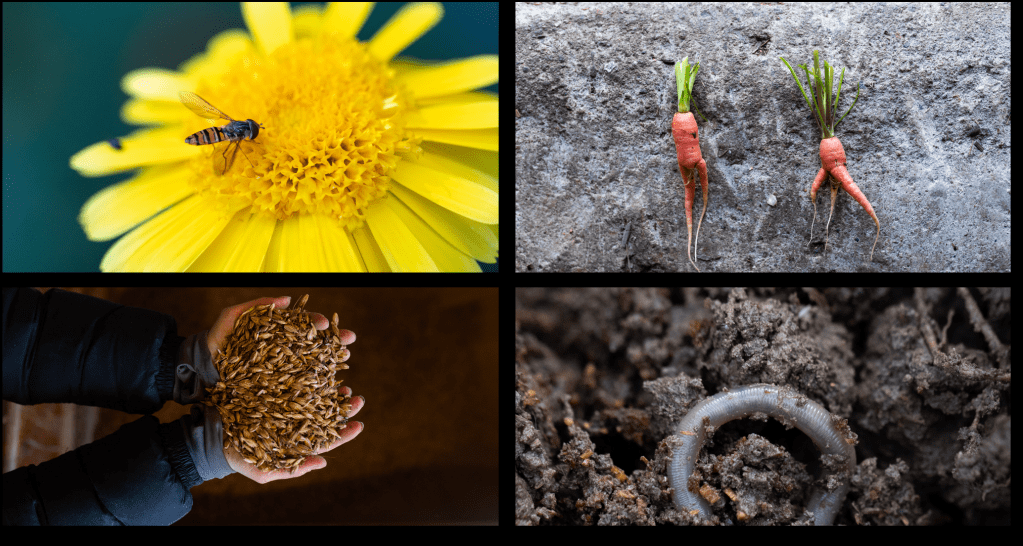
The farms where I work represent a diverse array of practices, such as organic farming, biodynamic farming, permaculture, farms applying agroecological principles, forest garden farms, and community supported farms and market gardens. On these farms, a variety of grains, legumes, vegetables, roots, and herbs are grown. Different composting methods and other natural techniques are used to enhance the soil. Crop rotation and the sowing of diverse cover crops are common practices. A wide range of animals, including bees, are cared for. The food is processed, preserved, utilized, and shared with others. These farms do more than just improve soils and promote biodiversity; they extend regeneration to communities, livelihoods, and food culture.
[Images]
“I want my research to make visible the work to which people dedicate their lives, in order to improve the conditions of the soil, to care for animals enabling them to exhibit species-specific behavior, to inspire new generations to enter the world of farming, to pass on and share their knowledge, collaborate, and strengthen local communities.
I also want to shed light on the struggles for livelihood and well-being that those engaged in diversified small-scale farming face because our society doesn’t support this form of farming, and because many people don’t know of or don’t know how to support the work of their local farmers. Instead, like most, they buy their food from the nearest supermarket without giving much thought to the kind of work that food production entails and how the food that they eat impacts local ecosystems, people and other animals.”
[Images]
“Second, I wish to be able to contribute to this work somehow, and give back to the farming communities by offering my labor, by sharing knowledge, by connecting people, and by listening to those who need a listener.”
“So, you are also a therapist?” the farmer asks.
“Well, I guess being a researcher doesn’t differ that much from being a therapist: both need to study and learn the context, generate and analyze information, and translate it into knowledge that is accessible to those who need it,” I reply. Laughter fills the air around the campfire until we both become serious.
My method, participatory observation, is intimate because I spend time with people and their loved ones on the farms, which are often also the farmers’ homes. My body is my primary research instrument (in fact, no research, not even laboratory research, is disconnected from human bodies, as researchers physically conduct experiments, interpret results, and write reports). My body is in constant interaction with other bodies, both human and non-human.
I engage in situations where the course of events is hard to predict— as an ethnographer, I commit to uncertainty. In these interactions, I reflect on my own views and share my experiences, offering help and listening. I ask and answer questions. I learn and share my knowledge.
My observation is that those engaged in diverse, regenerative farming want to be seen and heard; that someone is showing interest in their work matters.
[Images]
“And then there is the third, and the most important reason,” I hear myself saying. “I do this work because I love it.”
I conduct this research through participatory observation because I love working on diverse farms. Most of the time, I work with amazing people. I find the work on these farms meaningful and invigorating.
Working on these farms, I experience a full range of emotions: I feel joy and sorrow, inspiration and boredom, hope and despair, but most of all, authenticity and presence, warmth and caring. I constantly learn and acquire new skills, draw strength from new encounters and successes, and enjoy good food in good company. I meet different people and hear dozens of life stories.
I am deeply grateful for being able to conduct research on diverse small farms and for the fact that there are people all over the world who engage in this kind of farming.
***
My bare feet move on the grass to the rhythm of live music. In the background, the warmth of the blazing campfire and the chatter of voices merge with the music’s beat. Early mornings and physical work outdoors soon force me to crawl into the tiny house built by the fellow farmer, located by the pond, where I’m about to spend my night.
As I walk under the starry sky, the world feels small and exposed. As I walk on the soils of the vegetable gardens, the world feels vast and sheltered.
*****
Katselemme edessämme roihuavaa nuotiota, joka lämmittää hameen helmojani tähtitaivaan valaisemassa yössä. Kauempana miesduo soittaa cover-kappaleita puheensorinan ja satunnaisen ruohokentälle eksyneen tanssijan askeleiden säestämänä. Rautalankaan pujottamamme purjot hiillostuvat tulilla ja tomaattileipäkastike porisee nuotion reunassa lähes hypnoottisella tavalla.
Ääni vieressäni rikkoo hiljaisuuden: “Mikä on tavoitteesi, mitä yrität saavuttaa tutkimuksellasi? Haluatko vaikuttaa politiikkaan?”, kysyy vieressäni seisova viljelijä.
Tuskin kauempaa kuin pari sekuntia kestävässä hetkessä ehdin tuntea nuotion poltteen kasvoillani, pohtia tuottaisinko vastauksellani pettymyksen, ja oivaltaa, että tämä kysymys juuri tässä hetkessä on lahja, joka tulisi vaikuttamaan tutkimuspolkuuni syvällisesti.


“Olen menettänyt uskon politiikkaan”, vastaan, “joten ei, en tee tätä työtä siksi että uskoisin, että poliitikot tekisivät sellaisia päätöksiä, jotka johtaisivat radikaaleihin, tai edes kipeästi tarvittaviin muutoksiin sen eteen, että maat — maaperät, ihmiset ja muut eläimet, pölyttäjät, pieneliöt, linnut, kasvit ja puut; paikalliset ekosysteemit — alkaisivat voida paremmin. Teen tätä tutkimusta pääosin kahdesta, toisiinsa läheisesti kietoutuneesta, syystä. “
***
Karonkassani toinen ohjaajistani sanoi puheessaan: “Galinalla on sellainen taito, että hän ajattelee puhumalla”. En olisi osannut sanoittaa tätä itse, mutta sittemmin olen miettinyt asiaa todella paljon; näinhän se juuri on. Kysymällä minulta perusteluja tutkimukselleni viljelijä sai minut sanoittamaan sen, mitä akateemisen työn tekijät joutuvat harvemmin perustelemaan, vaikka juuri tämänkaltainen reflektio olisi mielestäni tärkeää tutkijoiden keskuudessa.
***
Miksi siis teen tutkimusta monimuotoisesta ekologisesta pienviljelystä, ja miksi juuri tällä tavalla? Entä mitä tavoittelen työlläni?

“Ensinnäkin, haluan tehdä näkyväksi sitä työtä, jota sitä ja moni muu tekee maatiloilla maanparannuksen eteen ja ympäröivien yhteisöjen hyväksi”, aloitan.
Yksi perustavanlaatuinen asia, joka työtäni ajaa, on monimuotoisen viljelytyön näkyväksi tekeminen. Kokemukseni on sen, että maatalous kuvataan usein tavanomaisen viljelyn tai tuotantoeläintilojen kautta. Maaseutumaisemat avautuvat edessämme laajoina peltoaukeina, joissa kasvaa hehtaarikaupalla samaa kasvia, tai joissa tönöttävät suuret navetat (kanalat ja sikalat ovat usein poissa näkyvistä, eikä moniakaan tuotantoeläimiä näy maaseutumaisemissa ajellessa).
Kuitenkin, on myös monia viljelijöitä, puutarhureita ja eläinten- ja maanhoitajia, jotka tuottavat ruokaa hyvin toisella tapaa, kuin mihin maatalouspolitiikka ja markkinat ohjaavat.
Nämä tilat edustavat tuotantosuunniltaan monimuotoista luomutuotantoa, biodynaamista viljelyä, permakulttuurisia tai agroekologisia periaatteita noudattavia tiloja, metsäpuutarhatiloja, ja kumppanuusmaatiloja. Näillä tiloilla viljellään (maatiais)viljoja ja palkokasveja sekä kymmeniä eri lajikkeita kasviksia, juureksia, ja yrttejä, tehdään ja hyödynnetään erilaisia komposteja ja parannetaan maaperää muilla luonnonmukaisilla menetelmillä, kuten kompostiteellä, mineraalijauheilla, preparaateilla ja katteilla, harjoitetaan viljelykiertoa ja kylvetään monimuotoisia viherlannoksia, hoidetaan laajaa kirjoa eläimiä sekä mehiläisiä, prosessoidaan, säilötään, hyödynnetään ja jaetaan maiden, metsien, ja vesistöjen antimia toisten kanssa.
Näillä tiloilla työ on monimuotoista ja kahta samaa päivää ei ole; näillä tiloilla uudistava maatalous on paljon muutakin kuin maaperän parannusta ja luonnon monimuotoisuuden edistämistä; näillä tiloilla uudistaminen ulotetaan yhteisöihin, toimeentuloon ja ruokakulttuuriin.
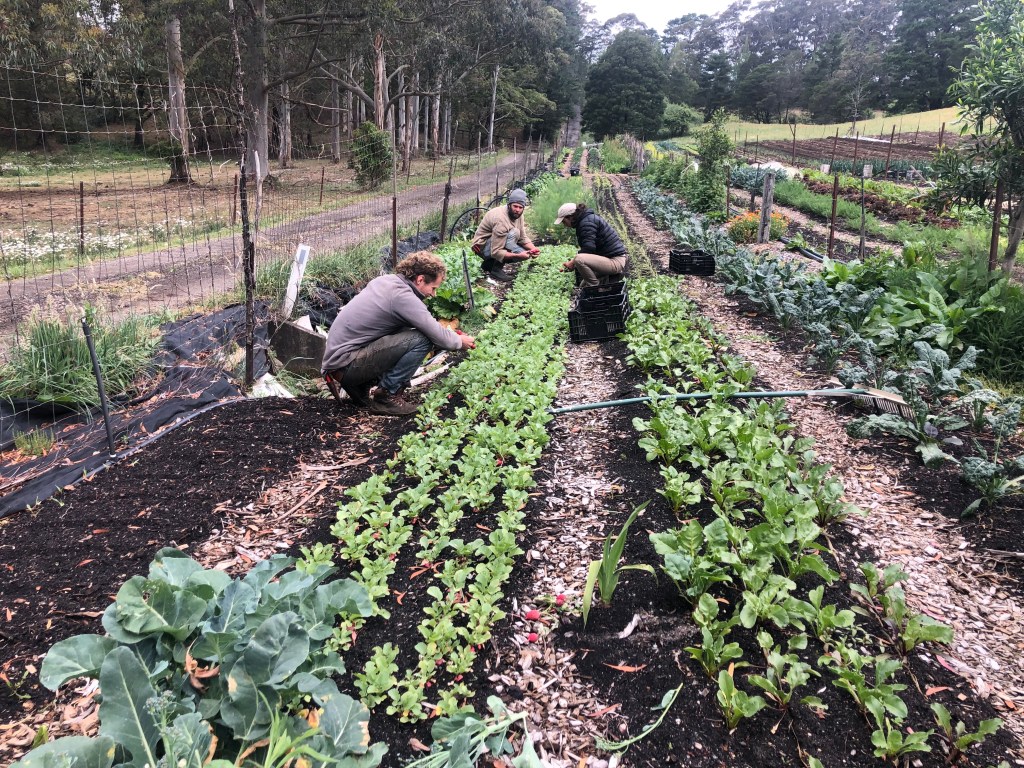
Haluan tutkimuksellani tehdä näkyväksi sitä työtä, jolle ihmiset omistavat elämänsä, jotta voisivat parantaa maaperää, hoitaa eläimiä mahdollistaen heille lajityypillisen käyttäytymisen, inspiroida uusia sukupolvia maatyön ja viljelyn äärelle, siirtää ja jakaa oppejaan, tehdä yhteistyötä ja vahvistaa paikallisyhteisöjä.
Haluan tehdä näkyväksi myös kamppailuja toimeentulon ja jaksamisen kanssa, kamppailuja joita monimuotoista pienviljelyä harjoittavat joutuvat käymään siksi, että yhteiskuntamme ei tue kyseistä viljelymuotoa, ja siksi että monikaan ei tiedä tai osaa tai kerkeä tukea lähiviljelijänsä työtä, vaan — kuten suurin osa — ostaa ruokansa lähimarketista pohtimatta sen kummemmin sitä, millaista työtä ruuan tuottaminen on vaatinut ja miten ruuan tuotanto on vaikuttanut paikallisiin ekosysteemeihin ja ihmisiin.
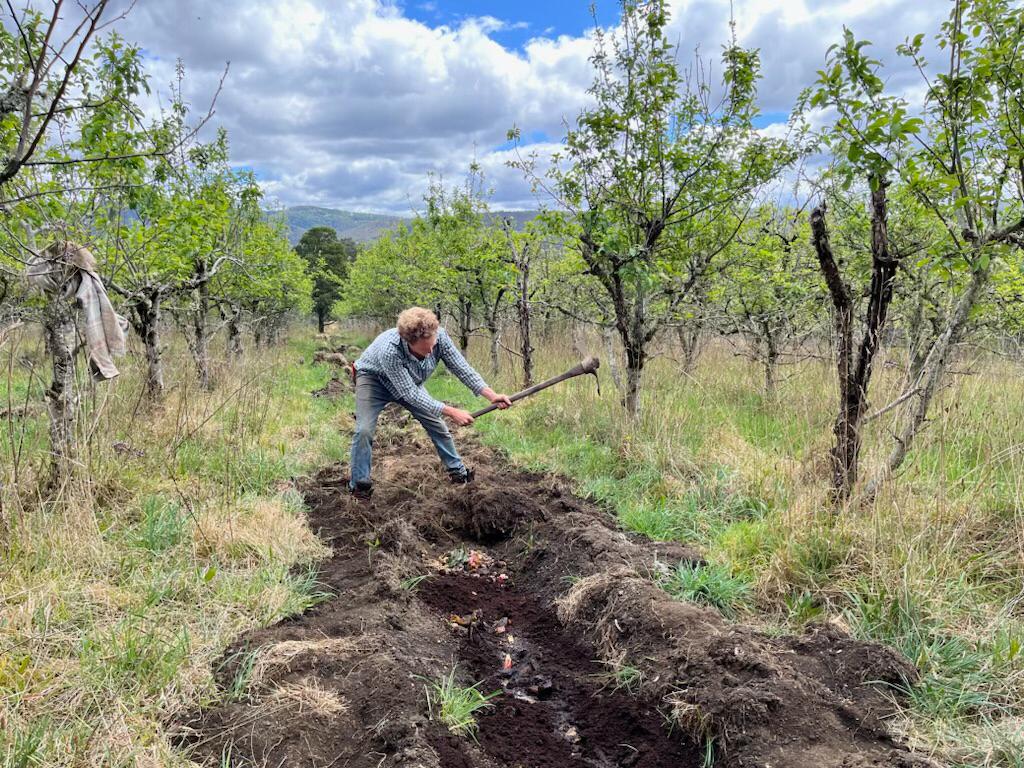
“”Toiseksi, haluan osallistua tähän tärkeäksi kokemaani työhön ja antaa vastalahjaksi maatalousyhteisöille työvoimaani, jakaa oppeja, yhdistää ihmisiä sekä kuunnella niitä, jotka tarvitsevat kuuntelijaa.”
“Eli toimit terapeuttina?”, kysyy viljelijä.
“”No, ehkä tutkijana oleminen ei juuri eroa terapeutin työstä: molempien on opiskeltava alaa ja opittava ympäristö, jossa toimitaan, tuotettava ja analysoitava tietoa ja käännettävä se sellaiseksi tiedoksi, joka on saavutettavissa niille, jotka sitä tarvitsevat.””, vastaan. Naurumme raikuu nuotion ääressä, kunnes vakavoidun.
Menetelmäni, osallistuva havainnointi, on intiimi, sillä vietän aikaa ihmisten ja heidän läheistensä kanssa tiloilla, joista moni on samaan aikaan myös viljelijän koti. Ruumiini on tärkein tutkimusinstrumenttini (tosiasiassa mikään tutkimus, edes laboratoriotutkimus, ei ole irrallaan ihmisten ruumiista, sillä tutkijat ovat kehoineen fyysisesti tekemässä kokeita, tulkitsemassa tuloksia, kirjoittamassa raportteja), ja se on jatkuvassa vuorovaikutuksessa toisten kehojen — niin ihmisten kuin muidenkin eläin- ja eliölajien — kanssa. Heittäydyn vuorovaikutukseen tilanteissa, joiden kulkua on vaikea ennustaa — etnografina sitoudun epävarmuuteen.
Näissä vuorovaikutuksissa peilaan omia näkemyksiäni ja jaan kokemuksiani, autan ja kuuntelen. Vastaan kysymyksiin ja esitän niitä. Opin ja jaan oppejani.
Havaintoni on se, että monimuotoista uudistavaa viljelytyötä tekevät haluavat tulla nähdyiksi ja kuulluiksi; se että joku on kiinnostunut heidän tekemisistään on tärkeää.
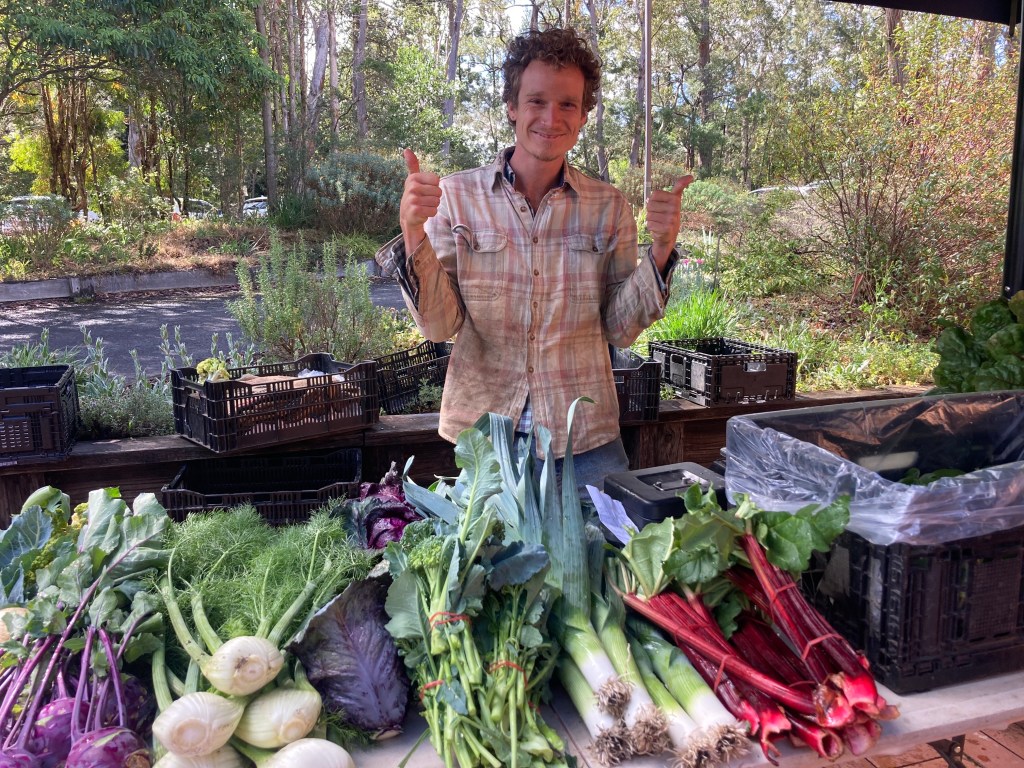
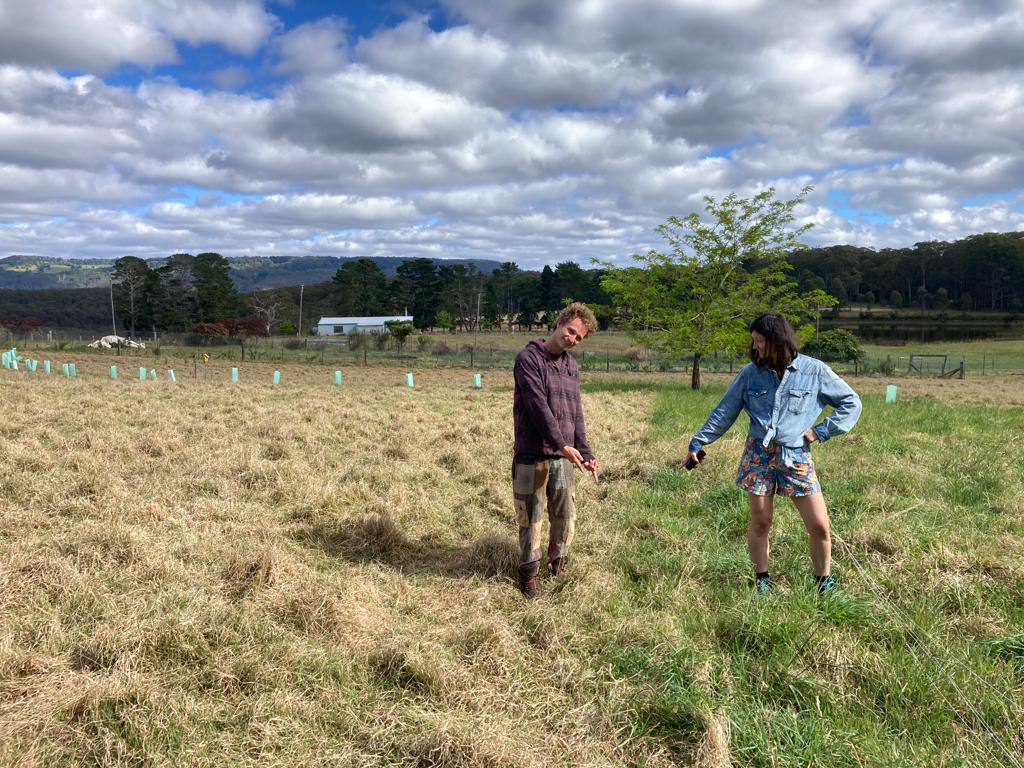
“Sitten on vielä kolmas, ja kaikkein tärkein syy”, totean oivaltaen. “Teen tätä työtä, koska rakastan sitä.”
Teen tutkimustani osallistuvan havainnoinnin menetelmällä, koska nautin tehdä töitä monimuotoisilla maatiloilla. Saan useimmiten tehdä töitä mahtavien tyyppien kanssa. Koen työn tiloilla merkitykselliseksi ja energisoivaksi.
Työskennellessäni näillä tiloilla tunnen, kuinka tunteiden koko kirjo on läsnä: koen niin naurua kuin itkua, iloa ja surua, inspiraatiota ja tylsistymistä, toivoa ja epätoivoa, mutta ennen kaikkea aitoutta ja läsnäoloa, lämpöä ja välittämistä.
Opin jatkuvasti uutta ja kartutan uusia taitoja, voimaannun uusista kohtaamisista ja onnistumisista, nautin hyvää ruokaa hyvässä seurassa.
Kohtaan erilaisia ihmisiä ja kuulen kymmeniä eri elämäntarinoita. Tunnen suurta kiitollisuutta siitä, että saan tehdä tutkimustyötä monimuotoisilla pientiloilla sekä siitä, että ympäri maailman on olemassa tyyppejä, jotka tekevät juuri tällaista viljelytyötä.
***
Paljaat jalkani tamppaavat nurmikkoa livemusiikin tahtiin. Taustalla roihuavan nuotion lämpö ja puheensorina sekoittuvat musiikin rytmiin. Aikaiset aamut ja fyysinen työ ulkoilmassa pakottavat minut pian kömpimään maatilalla työskentelevän kanssaviljelijän rakentamaan, lammen rannalla sijaistevaan minitaloon, missä saan viettää yön
Tähtitaivaan alla kulkiessani maailma tuntuu pieneltä ja paljaalta. Kasvimaalla kulkiessani maailma tuntuu suurelta ja suojaisalta.


 Galina Kallio