You can read this blog post in English below
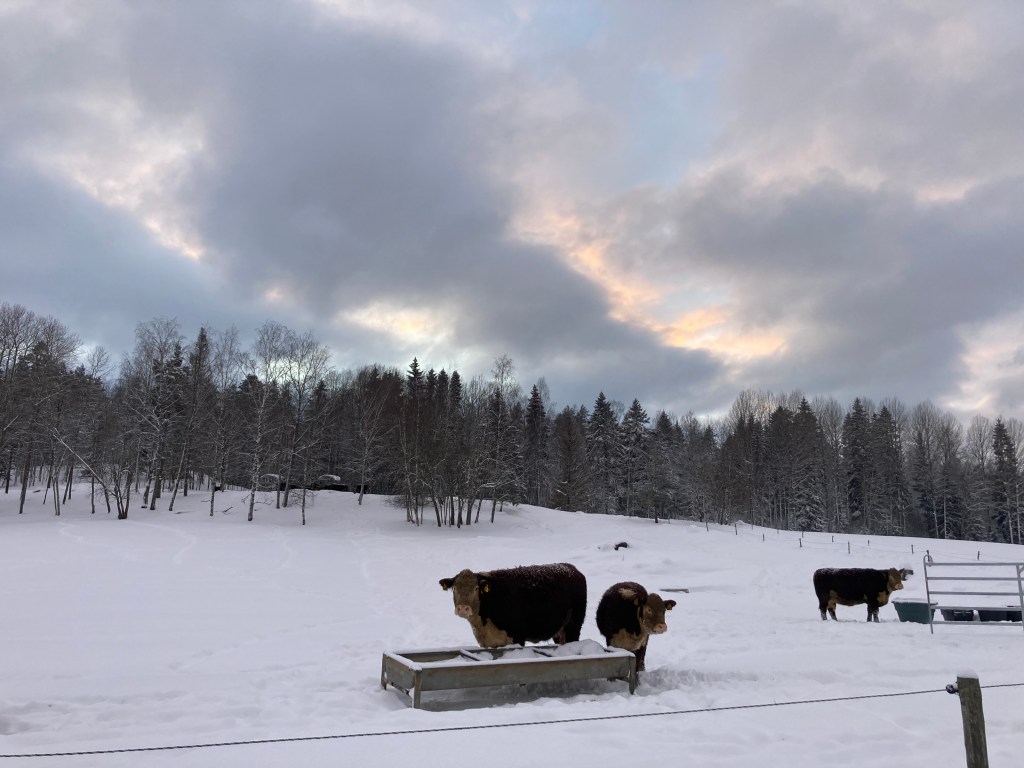
Olemme hiljattain palanneet kesästä talveen, helteestä lumen keskelle.

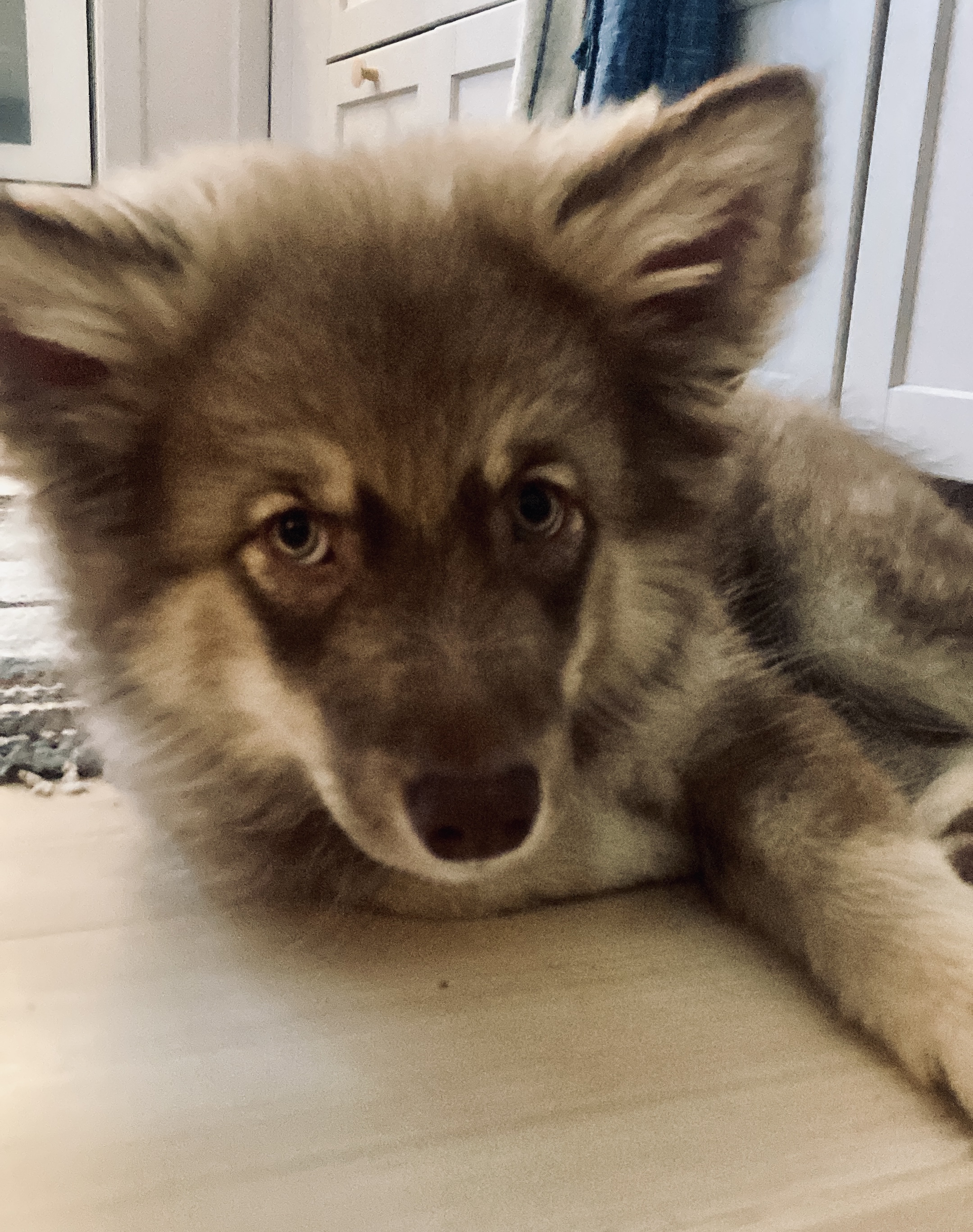
Kaupunkiasunnon sijaan palasimme maalle, kotiin, minne kerkesimme juuri muuttaa ennen lähtöämme. Australiassa vietimme paljon aikaa erilaisilla maatiloilla, ja vaikka paluu oman maa-paikan äärelle oli odotettu, niin arjen askareet pääosin puulämmitteisessä ja keskeneräisessä talossa, talvikelien äärimmäisyys ja vaihtelevuus sekä maaseudun elämän kulku vaativat totuttelua. Myös elämäämme tullut koiranpentu vaatii oman huomionsa kaiken (muun) keskellä.
Sillä välin, kun prosessoin kaikkea sitä, mitä Australian reissulla tuli koettua haluan julkaista oheisen tekstin, jonka kirjoitin pöytälaatikkoon jo jonkin aikaa sitten. Teksti nimittäin taltio hyvin nykyistä olotilaani pyrkiessäni sopeutumaan ja asettumaan viime aikaisten — ja -vuotisten — kenttätyökokemusten prosessoinniin keskellä. Sillä aikaa, kun työstän seuraavia ajatuksia blogiteksteiksi, lähetän maailmalle ja teille lukijoille oheisen aihion, joka toivottavasti kehkeytyy laajemmaksi teokseksi ajan saatossa.
☘︎☘︎☘︎
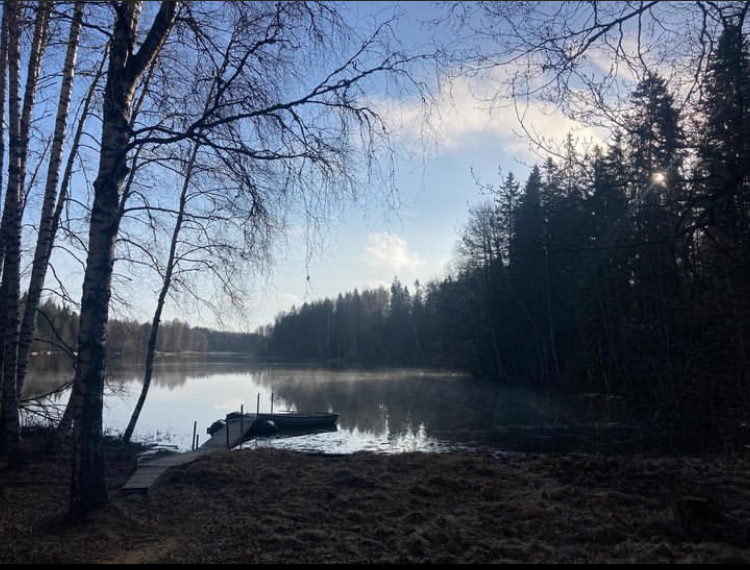
Katselen miljoonia kilometrejä matkanneiden auringonsäteiden äänetöntä tanssia lahden poukamassa. Käki kukkuu tuulen takaa ja kimalaiset pörräävät valtatien huminan lailla tervalepän kukinnoissa. Jossain kauempana tikka nakuttaa itselleen aamupalaa. Seison laiturin päässä ja annan vesipisaroilla päällystetyn ihoni kuivua tuulessa. Hetkeen mahtuu koko tähänastinen elämäni.
Kolme ja puoli vuotta sitten tuulen ja sateen piiskaamana lokakuisena päivänä kävelimme mieheni kanssa Tikkurilan pankkiin allekirjoittamaan kauppakirjat ja lainasopimuksen kiinteistöön, joka piti sisällään puolentoista vuosisataa elämää nähneen torpan tontteineen. Paikasta piti tulla mökkimme, pakopaikka kaupungista, kakkoskoti maan äärellä. Siinä oli juuri sopivasti maa-alaa kotitarveviljelyyn, juuri sopivat puitteet omavaraistelufiilistelyyn, juuri sopiva etäisyys Helsingistä. Ainoa, jota ei tuntunut olevan juuri sopivasti, oli kakkoskodissamme vietetty aika, joka vilkutti seesteisenä auton peruutuspeilistä ajaessani kaupunkiin pöhinän ja pakokaasujen keskelle pyörittämään oravanpyörää.
Seisoessani laiturilla tunnen, kuinka auki revityn torppamme pöly on huuhtoutunut pois jo rutiiniksi tulleella uintireissulla. Multakerros kynsieni alla maalaa viipyilevän hymyn kasvoilleni. Päätös muuttaa maaseudulle kahden koululaisen kanssa ei ole ollut helppo. Vanhan talon remontti ja metsäpuutarhan perustaminen ovat vielä täysin kesken ja olemme jo käyneet läpi toivon ja epätoivon koko skaalan.
Päätöksemme muuttaa maalle on asettanut minut usein kasvokkain sekä maalla asumisen ihailun että kauhistelun kanssa. “Mites lapset..?”, minulta kysytään jättäen pois “…tulevat pärjäämään”. “Mites työt…”, alkaa seuraava kysymys “…ai hoituu maalta käsin?” täydennän. “Todella rohkeaa”, sanovat jotkut ja avautuvat: “olen itsekin miettinyt samaa, mutta…”
Aina tulee mutta.
Olen kuunnellut useita selityksiä, epäröintejä, harkitsemisia, haaveita ja jakanut näitä samoja ajatuksia myös itse monien ystävien ja tuttavien kanssa. Kuitenkin, vaikka kysymykset vaihtelevat, palaan aina lopulta samaan vastaukseen: jos en nyt kuuntele tätä tunnetta, tulen katumaan. Mieluummin erehdyn maan kutsusta, kuin yritän tukahduttaa sen. Mieluummin yritän onnistua, kuin pelkään epäonnistumista. Mieluummin nyt, kuin silloin kun on jo liian myöhäistä.
☘︎
Tutkijan työ on siitä kiitollista, että se ohjaa pohtimaan asioita syvällisesti ja analyyttisesti sekä paneutumaan niihin monesta eri näkökulmasta. Samaan aikaan —ja näistä samoista syistä johtuen— tutkijan työ voi olla petollista. Petollista siksi, että perusteellinen perehtyminen saattaa saada tutkijan näkemään ja ymmärtämään asioita eri tavalla kuin hän aiemmin näki ja ymmärsi. Se mihin hän ennen uskoi ja luotti voi muuttua osittain tai täysin, ja todellisuus voi alkaa hahmottua uudella tavalla niin, että entisestä todellisuudesta —tai siitä mitä hän on ennen pitänyt totuutena ja valheena, oikeana ja vääränä, kauniina ja vastenmielisenä— tulee pikkuhiljaa vierasta ja omituista.
Aina tutkijoille ei käy näin. Mutta silloin joskus, harvoin, kun tutkijan maailmankuva horjuu, alkaa horjua myös hänen maailmassa olemisen tapansa. Silloin hän saattaa huomata, että on itse alkanut tulla osaksi ilmiötä, jota tutkii.
☘︎
Muistan elävästi sen hetken, kun asentoni tässä maailmassa alkoi muuttua. Oli kesäkuun 5. vuonna 2019 ja olin kenttätyömatkalla Norjassa osana vuoden alussa käynnistynyttä Koneen Säätiön rahoittamaa tutkimushankettani ’Näkymätön työ uudistavassa maataloudessa’. Vietin kolme päivää paikallisen viljelijän kanssa kuunnellen hänen tarinaansa, havainnoiden hänen työtään ja auttaen häntä siinä sekä haastatellen häntä useaan eri otteeseen.
Yhtenä päivänä viljelijä vei minut maatilansa laitamilla sijaitsevalle ojanpientareelle. Kauempana edessämme avautui tasainen peltomaa, takanamme 500 m2 kasvihuone tuhatvuotisine maatiaislajikkeineen. Seisoimme siinä katsomassa pusikoitunutta uomaa, kun viljelijä alkoi kuvata, kuinka aikoo elvyttää aluetta muuttamalla ojanpientareet kukkiviksi keitaiksi ja istuttaa pellolle puustoa ja pensaita sekä erilaisia syötäviä perennoja. Hänen visionsa oli lisätä monivuotisten ruokakasvien määrää ja sopeuttaa näitä paikallisiin olosuhteisiin siemenlisäyksen keinoin.
Siinä ojan reunalla seisoessamme maisema avautui tajunnassani täysin uudella tavalla. Siihen, missä juuri aiemmin olin nähnyt ryteikön, aloin kuvitella marjoista ja hedelmistä notkuvia oksia ja hyötykasvien villiinnyttämää piennarta. Siinä, missä tasainen nurmiseos peitti maan aloin hahmottaa puiden ja pensaiden kylkiin köynnöstyviä pinaatteja, ikiaikaisista siemenistä kasvavia vihanneksia. ”Meidän täytyy tehdä paradigmanmuutos ihmiskeskeisestä elämäkeskeiseen”, kuulin viljelijän toteavan lähestulkoon itsekseen. Siinä hetkessä aistin eläväni osana miljardivuotista geeniperimän jatkumoa, lajina muiden joukossa.
Helsinkiin palattuani tiesin, että jokin minussa oli alkanut muuttua vaikken vielä tuolloin osannut sanoittaa mikä. Nyt kutsun tätä jotakin maantajuksi.
Olen kiertänyt viimeiset viisi vuotta erilaisilla maatiloilla kauppatieteiden tohtoriksi väitelleenä tutkijana. Kiertämieni tilojen joukkoon mahtuu monimuotoisessa luomutuotannossa olevia pientiloja ja kotitarveviljelytiloja, hiiliviljelyyn ja metsäpuutarhaan erikoistuneita tiloja, biodynaamisen viljelyn ja permakulttuurisen viljelyn periaatteita noudattavia tiloja, yhteisöpuutarhoja ja kumppanuusmaataloustiloja. Uteliaisuuteni lähellä tuotettua ja lähiympäristöstä hankittua ruokaa kohtaan heräsi tehdessäni väitöskirjaa ruuan vaihtoehtoisista hankinnan tavoista: ruokapiireistä, yhteisöviljelystä, ruokaosuuskunnista ja vaihtoringeistä. Väitöskirjassani kysyin: Miten ja miksi ihmiset hankkivat ruokansa muualta kuin supermarkettien hyllyiltä, ja miten voimme ymmärtää näitä uudenlaisia, markkinavaihdantaa uhmaavia vaihdannan käytäntöjä?
Tasapainoteltuani kahdeksan vuotta tutkimuksen, opetuksen ja ruuhkavuosien välillä seisoin eräänä lokakuisena päivänä Aalto-yliopiston keskustakampuksen Wallenbergin salin puhujapöntössä musta asu päälläni ja lausuin lektiota kuuntelemaan hiljentyneelle yleisölle. Sanat putoilivat suustani painokkaasti ja tunteella. Tiesinhän mistä puhuin. Olin ollut itse mukana useamman vuoden ajan vastaanottamassa ja lajittelemassa multaisia porkkanoita ja palsternakkoja lukuisissa eri kellareissa ja takahuoneissa, kaatamassa tinkimaitoa kanistereihin ja muovipulloihin, jotka ruokaviraston virkahenkilö olisi epäilemättä takavarikoinut, noutamassa lampaiden ja peurojen paloiteltuja ruhoja parkkipaikoilta ympäri Helsinkiä.
Olin tavannut lukuisia viljelijöitä, metsästäjiä, marjanpoimijoita, kotileipureita, kalastajia ja tuotantoeläintilallisia, käynyt usealla eri maatilalla ja perehtynyt ruuan tuotantoon monien eri tietolähteiden kautta. Tiesin kuinka paljon töitä ruuan tuottaminen ekologisesti ja monipuolisesti vaati ja kuinka paljon vaati myös tällaisen ruuan hankkiminen. Tiesin myös, että tämän työn arvo jää näkymättömiin talouden valtavirtaisessa tutkimuksessa, päätöksenteossa, julkisessa puheessa ja mediassa vaikka juuri tämänkaltainen —näkymätön— työ tuottaa ja hankkii ruokamme, hoitaa ja kouluttaa lapsemme, merkityksellistää ja ylläpitää yhteisöjämme.
Mutta vasta väitellessäni itselleni tohtorin tutkintoa tajusin, kuinka vähän tiesin siitä, millaista ja kenen tekemää työtä syömämme ruoka —ja olemassaolomme tällä planeetalla myös laajemmin— pitää sisällään. Kuinka paljon kasvit, eläimet, linnut, pölyttäjät, matelijat ja maaperässä elävät hyönteiset, mikrobit ja sienirihmastot ihmisten ohella tekevätkään töitä, jotta voin ruokkia itseni noin viisi kertaa päivässä ajattelematta juuri lainkaan sitä, mitä syömäni ruoka sisältää tai mitä kaikkea sen tuottaminen tai hankkiminen on vaatinut!
Ruoka kytkee meidät konkreettisesti maahan —maaperään, veteen, ilmaan, energianlähteisiin— ja yhdistää meidät muihin lajeihin — halusimme tätä tai emme. Näin siis maasuhteet ovat läsnä jokapäiväisessä elämässämme silloinkin, kun emme ajattele, pyri ymmärtämään, tai osaa sanoittaa niitä. Syömämme ruoka tarjoaakin (parhaimmillaan) herkullisen tavan tarkastella millaisia suhteemme maahan ja meitä ympäröiviin muunlajisiin toimijoihin ovat tai millaisia niiden tulisi olla, jotta voisimme säilyttää planeetan elinkelpoisena niin meille kuin tuleville sukupolville.
Olen ollut siinä mielessä onnekkaassa asemassa, että olen voinut työkseni seurata, kuinka pien-, kotitarve- ja yhteisöviljelijät eri puolilla Suomea ja muita Pohjoismaita, mutta myös Australiassa, missä kiertelin ja tein töitä eri maatiloilla syksyllä ja talvella 2023, pyrkivät yhtäältä hillitsemään ilmastonmuutosta ja toisaalta sopeutumaan siihen tuottamalla ja hankkimalla ruokaa maaperää, monimuotoisuutta ja muunlajisten elämää vaalien.
Olen seurannut, kuinka nämä ihmiset tasapainottelevat maan ja talouden tarpeiden välillä ja kuinka he luovivat maanhoidon, perhe-elämän ja toimeentulon mahdollisuuksien ja mahdottomuuksien maastoissa. Heidän tarinansa kohtaavat yleensä samassa kohtaa: he hoitavat maata, jotta voisivat jättää hänet parempaan kuntoon, kuin millainen hän oli heidän aloittaessaan viljelyn. Nämä kenttätyökemukseni saivat minut pohtimaan sitä, millaisia suhteemme maahan ja muunlajisiin toimijoihin ovat, mitä tiedämme näistä suhteista ja miten tulemme niistä tietoisiksi — ja rikkomaan oletuksiani siitä, missä menee ihmisen ja muun elämän rajat.
Samaan aikaan olen seurannut, kuinka maatalous- ja maaperätieteet supistavat maasuhteet maaperäsuhteiksi ja täten viljelyelinkeinon kemiallisiin, hiiltä todentaviin ja rahataloudellisiin yksiköihin. Ristiriitaiset ja paikoittain yhteensopimattomattomat tutkimushavainnot ovat pakottaneet minut altistamaan tiedon ja sen tuotannon, eli tutkimusprosessit, kriittiselle tarkastelulle.
Näiden havaintojen kautta ja viime kuukausien Australiassa vietetyn ajan kuluessa minulle on herännyt entistä voimakkaammin toive tehdä näkyväksi erilaisia maasuhteita ja jäljittää millä tavoin ja kenen tuottama tieto ohjaa ja muokkaa näitä suhteita. Samalla haluan kysyä: miten ihminen ei ainoastaan muokkaa maata vaan miten myös maa — juuret ja juurettomuus, maan omistaminen ja maattomuus, maatyö ja sen olemattomuus, maasuhteidemme laatu ja laaduttomuus — muokkaa ihmistä?
Koska en koe, että julkaisujen määrämitallisuus mahdollistaisi tarinoiden ja kuvauksien äärelle pysähtymisen, olen alkanut kirjoittaa kirjaa — ainakin mielessäni. Kirja hakee muotoaan etnografiana maasuhteista ja toimeentulon mahdollisuuksista ja mahdottomuuksista monimuotoisessa pienviljelyssä; se sisältää tarinoita toivottomuudesta ja toivosta, maatyöstä ja maahoivasta; kuvauksia puutarhoista, laidun- ja peltomaista; kertomuksia rakkaudesta, kuoleman ja elämän päätöksistä, kohtalokkaista kohtaamisista kasvien ja eläinten kanssa. Tarinoiden ja omakohtaisten kokemusten ohella kirja purkaa myyttejä ruokataloudesta. Kuinka vihreä vihreä vallankumous oli? Kuinka tehokas tehomaatalous on? Kuinka huonosti Suomessa kasvaa muu kuin ruoho? Kuinka eettistä on vegaanius?
☘︎
Kävellessäni laiturilta metsäpuutarhan laitaa kulkevaa polkua pitkin ylös takaisin työpöytäni äärelle pohdin lapsiani, jotka joutuvat kävelyn sijaan käyttämään koulubussia lähiön kortteleiden vaihduttua maa- ja metsätilojen, mökkien ja maitolaitureiden mosaiikkiin. Niin: miten he tulevat pärjäämään?
Palaan ajatuksissa omaan lapsuuteeni, jossa taivalsin paahteisella maantiellä isoäitini ja isotätini kanssa kohti datsaa keräämään mustaherukoita ja avomaan kurkkuja. Muistan nyrpistelleeni tyrnimehun kirpeydelle ja vihersalaattien kitkeryydelle, muistan makoilleeni keskellä kukkapenkkejä ja mansikkapuskia. Muistan, kuinka laskin torilla kolikoista vaihtorahaa, kun ojensin aamulla poimiamme sipulinippuja ostoksille tulleille äideille ja isoäideille.
Muistan omien isoäitieni ryppyiset ja multaiset kädet, jotka raastoivat minulle porkkanaa aamupalaksi ja jotka säilöivät kurkut ja kaalit talveksi. Kun mietin näitä hetkiä ja sitten maailmaa, jossa nyt elämme, kysyn itseltäni: Millaisten asioiden vaalimisesta minut tullaan muistamaan? Millaiseksi esiäidiksi haluan tulla? Millaisen perinnön haluan, tai voisin, jälkeeni jättää — lapsilleni, ja heitä seuraaville sukupolville?
Näitä kysymyksiä pohtiessani kuvittelen talolle vievän polun viereen runsaan, kukkivan metsäpuutarhan, joka tarjoaa syötävää niin paikkaa asuttaville ihmisille kuin muille lajeille; näen tammivanhuksen, jonka juurilta ehkä lapsenlapseni katsovat korkeuksiin nousevaa latvaa, aivan kuten heidänkin isänsä pieninä poikina; näen pähkinälehdon, tarinoita kasvuunsa kätkeviä perennoja ja muuttuvien ilmasto-olosuhteiden mukana kasvaneen aprikoosipuun. Kuvittelen yhdessä vietettyjä hetkiä, aikaa, jonka jaamme, perinteitä, joita luomme, maantajua, jota kartutamme.
En osaa varmasti sanoa, miten lapseni, minä tai me perheenä tulemme pärjäämään. Mutta kuvittelen, että kaikki menee hyvin.

Australia, Chapter 10: Return and the Call of the Land
I have recently transitioned from summer to winter, from heat to the midst of snow. Instead of our city apartment, we returned to the countryside, to our new home, where we had just managed to move before our departure to Australia. In Australia, we spent a lot of time on various farms, and although the return to our own tiny farm was anticipated, the daily chores in a mostly wood-heated and unfinished house, the extremities and variability of winter weather, and the rhythm of rural life has required adjustment.
Also the puppy that has entered our lives demands continuous attention amidst everything else.
Meanwhile, as I process all that me and my family experienced during our trip to Australia, I want to share the following text that I wrote some time ago and have kept in my drawer. The text captures my current state of being as I strive to adapt and settle amid the processing of recent fieldwork experiences. While I work on shaping the next set of thoughts into blog posts to share with the world and you, dear readers, I’m sending forth this draft, which hopefully evolves into a more comprehensive work over time: a book.
☘︎☘︎☘︎
I gaze at the silent dance of sunrays that have traveled millions of kilometers to arrive at our bay’s cove. A cuckoo calls from beyond the wind, and bees buzz in the treetops like the hum of a motorway. Somewhere in the distance, a woodpecker drums the trees for its breakfast. I stand at the end of the pier, letting the water drops on my skin dry in the wind. This moment encompasses my entire life so far.
Three and a half years ago, on a windy and rainy October day, my husband and I walked into Tikkurila bank to sign the deed and loan agreement for a property that included a century-and-a-half-old cottage and its land. The place was supposed to become our summer cottage, an escape from the city, a second home in the countryside. It had just enough land for home gardening, the right setting for self-sufficiency vibes, and a suitable distance from Helsinki. The only thing that didn’t seem just right was the time we spent in our second home; the time that waved peacefully in the rearview mirror as I drove back into the hustle and exhaust fumes of the city.
Standing on the pier, I feel the dust from our torn-down cottage washed away during the routine swim. The layer of soil under my nails paints a lingering smile on my face. The decision to move to the countryside with two school-aged children has not been easy. The renovation of the old house and the establishment of the forest garden are still in progress, and we have gone through the whole spectrum of hope and despair.
When we announced our decision to move to the countryside, I often faced both admiration and astonishment from others about living in the countryside. “How about the children…?” they ask me, leaving out “…how will they manage?” “What about work…?” the next question begins, “…can you work from the countryside?” I complete the senteces. “Very brave,” some say and open up: “I have thought about the same, but…”
Always comes a ‘but.’
I have listened to various explanations, hesitations, considerations, dreams, and shared these same thoughts with many friends and acquaintances. However, even though the questions vary, I always come back to the same answer: if I don’t listen to this feeling now, I will regret it. I’d rather make a mistake by answering the call of the land than try to suppress it. I’d rather try to succeed than fear failure. Better now than when it’s too late.
☘︎
The work of a researcher is gratifying in that it guides deep and analytical thinking, delving into things from multiple perspectives. At the same time, and for these same reasons, the work of a researcher can be deceptive. Deceptive because thorough immersion may lead the researcher to see and understand things differently than she did before. What she once believed and trusted may change partly or entirely, and reality may begin to take shape in a new way, making the familiar gradually strange and peculiar.
It doesn’t always happen to researchers. But sometimes, rarely, when a researcher’s worldview shakes, her way of being in the world begins to waver. Then she may realize that she has become part of the phenomenon she studies.
☘︎
I vividly remember the moment when my position in this world began to change. It was June 5, 2019, and I was on a fieldwork trip to Norway as part of a research project funded by the Kone Foundation, titled ‘Invisible Work in Regenerative Agriculture.’ I spent three days with a local farmer, listening to his story, observing his work, assisting him, and interviewing him on several occasions. One day, the farmer took me to a ravine on the outskirts of his farm. In the distance ahead of us, a flat field opened up, and behind us, a 500 m2 greenhouse with ancient local varieties.
We stood there, looking at the overgrown ravine, and the farmer began to describe how he planned to revive the area by turning the ravine edges into blooming oases and planting trees, shrubs, and various edible perennials in the field. His vision was to increase the number of perennial food plants and adapt them to local conditions through seed propagation.
As we stood on the edge of the ravine, the landscape unfolded in my consciousness in an entirely new way. Where I had just seen a thicket, I began to imagine branches laden with berries and fruits and a verge teeming with useful plants. Where a flat mix of grass covered the land, I started to envision spinach vines climbing the sides of trees and bushes, perennial vegetables growing from ancient seeds. “We need to make a paradigm shift from human-centric to life-centric,” I heard the farmer say almost to himself.
In that moment, I sensed living as part of a billion-year continuum of genetic heritage, as a species among others. Upon returning to Helsinki, I knew that something in me had begun to change, even though I couldn’t articulate what it was at the time. I now call this sense of the land.
For the past five years, I have toured various farms as a researcher who earned a doctorate in organization and business studies. Among the farms I visited are diverse small-scale organic farms, homestead farms, farms specializing in carbon farming and forest gardening, farms following biodynamic and permaculture principles, community gardens, and farms applying community supported agriculture.
My curiosity about locally produced and locally sourced food awakened when I was writing my dissertation on alternative food procurement methods: food co-ops, community gardening, food cooperatives, and exchange rings. In my dissertation, I asked: How and why do people procure their food from places other than supermarket shelves, and how can we understand these new exchange practices that defy market norms?
After balancing eight years between research, teaching, and the chaos of everyday life, one October day, I stood in the speaker’s podium at Aalto University’s downtown campus, clad in black, delivering a lecture to a hushed audience. The words flowed from my mouth with emphasis and emotion. I knew what I was talking about. I had been involved for several years in receiving and sorting muddy carrots and parsnips in various cellars and back rooms, pouring raw milk into canisters and plastic bottles that a food safety official would undoubtedly have confiscated, fetching the butchered carcasses of sheep and deer from parking lots around Helsinki.
I had met numerous farmers, hunters, berry pickers, home bakers, fishermen, and livestock farmers, visited various farms, and delved into food production through various sources of knowledge. I knew how much work it takes to produce food sustainably and diversely and how much effort it takes to acquire such food. I also knew that the value of this work remains invisible in mainstream economic research, decision-making, public discourse, and the media, even though this invisible work produces and acquires our food, cares for and educates our children, and gives meaning to and sustains our communities.
But it was only when defending my doctoctoral dissertation that I realized how little I knew about the kind of labour that goes into the food we eat—and our existence on this planet more broadly. How much plants, animals, birds, pollinators, reptiles, and insects living in the soil, along with humans, work to feed myself about five times a day, hardly thinking about what my food contains or what it took to produce or acquire it!
Food connects us concretely to the land—soil, water, air, energy sources—and links us to other species — whether we want it or not. Thus, land relationships are present in our everyday lives even when we don’t think about, strive to understand, or can articulate them. Our food, when eaten thoughtfully, offers a delicious way to examine the nature of our relationships with the land and other non-human actors and what those relationships should be like to maintain the planet viable for us and future generations.
I have been fortunate to be in a position where I could professionally observe how small-scale, subsistence, and community farmers in different parts of Finland and other Nordic countries, but also in Australia, where I traveled and worked on various farms in the (Australian) Spring and Summer of 2023, strive to mitigate climate change and adapt to it by producing and acquiring food while nurturing the soil, biodiversity, and other forms of life. I have witnessed how these people balance the needs of the land and the economy and how they navigate the landscapes of land management, family life, and livelihood possibilities and impossibilities.
Their stories usually intersect at one point: they care for the land so that they can leave it in better condition than it was when they started cultivation. These fieldwork experiences made me reflect on the nature of our relationships with the land and other non-human actors, what we know about these relationships, and how we become aware of them—and challenge my assumptions about where the boundaries between humans and other life forms lie.
At the same time, I have observed how agricultural and soil sciences reduce land relationships to soil qualities and thus transform the cultivation profession into chemical, carbon-verified, and monetary units. Conflicting and sometimes incompatible research findings have compelled me to subject knowledge and its production, i.e., research processes, to critical examination. Through these observations and during the past months spent in Australia, I have become even more strongly motivated to make visible various land relationships and trace how and whose produced knowledge guides and shapes these relationships. At the same time, I want to ask: how not only humans shape the land but also adn equally, how does the land—roots and rootlessness, land ownership and landlessness, land work and its non-existence, the quality and lack of quality of our land relationships—shape humans?
Because I don’t feel that the quantifiability of publications allows for telling the stories of small-scale farmers and of the lands that they inhabit, shape and regenerate, I have started to write a book — unfolding in my mind. The book seeks its form as an ethnography of land relationships and livelihood possibilities and impossibilities in diverse small-scale farming; it includes stories of hopelessness and hope, land work, and land care; descriptions of gardens, pasture and arable landscapes; narratives of love, decisions of life and death, and fateful encounters with plants and animals. In addition to stories and personal experiences, the book dismantles myths about the food economy. How green was the green revolution? How effective is intensive farming? How poorly does anything other than grass grow in Finland? How ethical is veganism?
☘︎
As I walk from the pier along the path that runs along the edge of the forest garden back up to my desk, I ponder my children, who, instead of walking, have to take the school bus as the suburbs give way to the mosaic of rural and forest estates, cottages, and remote post boxes. Indeed, how will they cope?
I return in my thoughts to my own childhood, where I walked along the scorching road with my grandmother and aunt towards the dacha to gather blackcurrants and cucumbers. I remember wrinkling my nose at the tartness of sea buckthorn juice and the bitterness of green salads, I remember lying in the middle of flower beds and strawberry bushes. I remember counting coins at the market, handing out bundles of onions in exchange for change to mothers and grandmothers who came to the market. I remember the wrinkled and earthy hands of my own grandmothers, who grated carrots for my breakfast and preserved cucumbers and cabbages for the winter.
When I think of these moments and then the world we live in now, I ask myself: What is it that I will be remembered cherishing? What kind of ancestor do I want to become? What kind of traces and memories do I want, or could I leave behind—for my children, and for generations to come?
Reflecting on these questions, I imagine a lush, blooming forest garden next to the path leading to the house, offering sustenance to both the inhabitants and other species; I see an ancient oak, from whose roots perhaps my grandchildren will look up at the rising canopy, just like their fathers did as little boys; I see a walnut grove, perennial plants hiding stories of their growth, and an apricot tree that has grown with the changing climate conditions. I imagine moments spent together, time we share, traditions we create, a sense of place we build.
I cannot say for certain how my children, I, or we as a family will fare. But I imagine that everything will be fine.


 Galina Kallio